Making Transport Poverty Visible: Curbcut's Dashboard for Mobilizing Justice
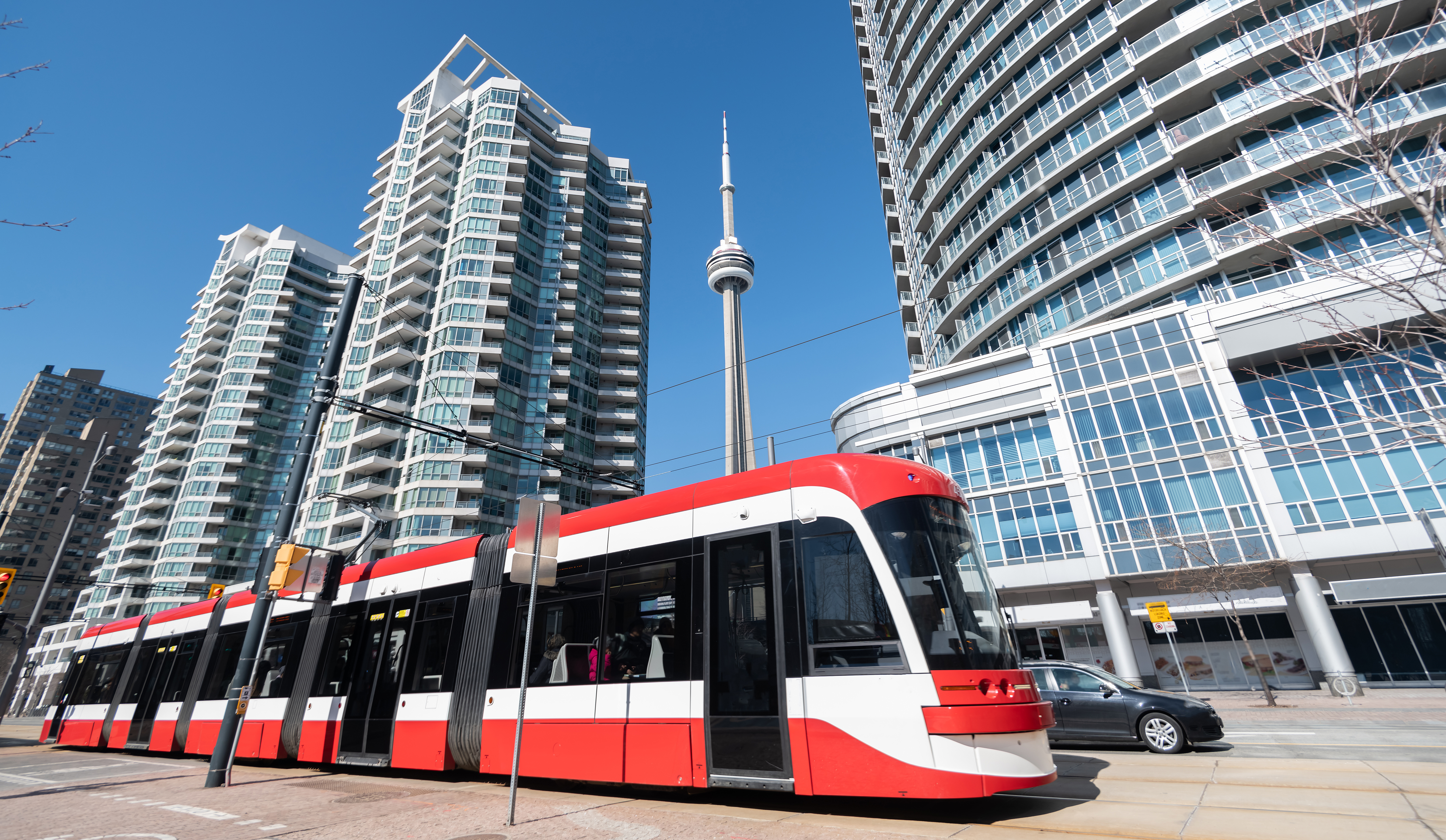
Every day, millions of Canadians face barriers to getting where they need to go — to work, to healthcare, to school. But until recently, the evidence needed to understand who is most affected, and where, has been difficult for most people to access. The Mobilizing Justice National Survey on Transport Poverty is changing that. And Curbcut is helping bring its findings to the public.
The survey behind the dashboard
Mobilizing Justice is a national, multi-disciplinary partnership dedicated to addressing transportation inequities across Canada through collaborative research and evidence-based policy. Their National Survey on Transport Poverty — with over 27,000 respondents — is one of the most comprehensive efforts ever undertaken to capture how travel barriers contribute to mobility challenges and social exclusion. If people can’t engage in the activities that matter for a happy, healthy, and meaningful life, what does this mean for well-being and justice? The goal: to embed equity into transportation planning and policy nationwide.
The challenge? Researchers could access the microdata on request, but the findings remained largely out of reach for the policymakers, community organizations, and advocates who need them most.
What we built
Curbcut was brought in to design and develop a public-facing dashboard that translates the survey's complex data into accessible, interactive insights — without compromising respondent confidentiality.
The result is a modular platform with four core functions: a curated landing page presenting the survey and key findings; an "Explore your region" module allowing users to filter by geography, population group, and theme; a "Compare regions" view for side-by-side analysis; and a ranking tool that lets users see how regions measure up on specific indicators. The platform allows users to select from a wide variety of transport related variables and compare across different socio-demographic variables. For example, you might be interested in how mode use varies by gender identity:

Our mandate was to make a wide variety of charts and table outputs intuitive and easy to use, a few clicks allow you to see the same data in a different format, for example:

These figures are ready to be inserted into a report or presentation. Users can gain insights into an almost unlimited number of comparisons across variables and at various spatial scales. For example, does perception of walking safety vary by city?

A few clicks in ‘Compare’ mode and users can choose from making comparisons at the Province, CMA, or CSD level. Throughout, the design priority was accessibility — making it possible for someone without a data background to explore national patterns in transport poverty easily. This flexibility and ability for users to dial in exactly what they want to see and be able to download figures and tables is a core part of what Curbcut offers.
Why it matters
This project reflects something we believe deeply at Curbcut: that data only creates change when people can actually use it. The Mobilizing Justice survey contains the evidence needed to make the case for more equitable transportation systems across Canada. The dashboard is the bridge between that evidence and the people who can act on it — planners, policymakers, advocates, and the public.
We're proud to have partnered with the Mobilizing Justice team on this work, and we look forward to seeing how communities and decision-makers put it to use. Thanks to Prof. Steve Farber (PI of the Mobilizing Justice project) and the whole MJ team for trusting us to pull it off.
The dashboard is now publicly available at https://survey.mobilizingjustice.ca/
How We Mapped 35 Years of Housing Development and Land Cover Change in Canada
Read more →
Why Walkable Neighborhoods Matter for Health, Community, and Everyday Life
Read more →